Tel / WhatsApp: +852-70974333 E-mail: andy@pursueartlife.com

- All
- Product Name
- Product Keyword
- Product Model
- Product Summary
- Product Description
- Multi Field Search
Please Choose Your Language
Views: 0 Author: Site Editor Publish Time: 2025-04-10 Origin: Site


Imagine you are looking at a painting by Frida Kahlo. You see monkeys, dogs, and birds next to her. These animals show Kahlo’s feelings and who she is. Art experts say monkeys in her art mean lust. Dogs are linked to stories about death. Kahlo kept these animals near her when she felt sad. The animals show her Mexican background. They also help her share her feelings.
Monkeys and dogs are in many of her self-portraits.
Animals are symbols of care and protection for Frida.
Frida Kahlo put animals in her art to show her feelings. She also used them to connect with her Mexican culture. Monkeys in her paintings stand for care and kindness. They show her soft and emotional side. Xoloitzcuintli dogs mean loyalty and pride in being Mexican. These dogs appear often in her art. Deer in Kahlo's art stand for weakness and pain. They show her own struggles in life. Birds, like hummingbirds and parrots, stand for freedom and hope. They make her paintings bright and full of life.
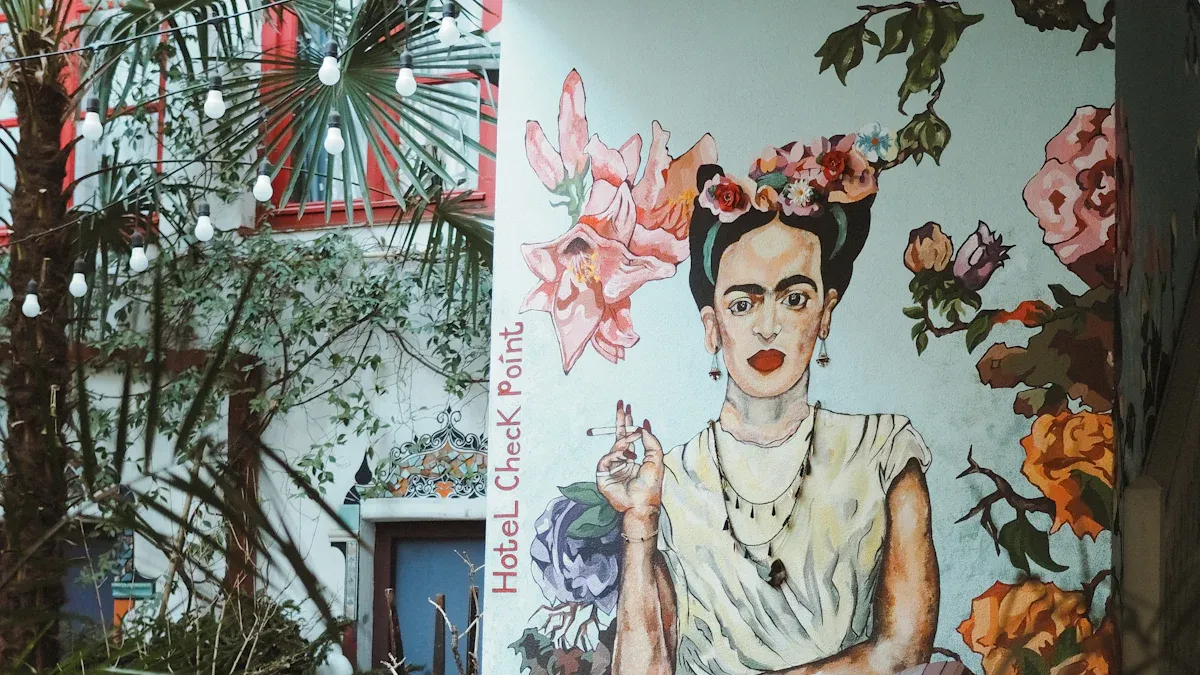
You can find many animals in Frida Kahlo’s paintings. These animals are not just there for decoration. They are important in her art. When you look at her paintings, you will see monkeys, dogs, deer, and birds. Frida gave some of her animals special names. Fulang Chang and Caimito de Guayabal are her monkeys. Mr Xoloti is her Mexican hairless dog. Bonito is her Amazon parrot. Granizo is her fawn. She also had hens and sparrows.
Monkeys like Fulang Chang and Caimito de Guayabal
Dogs, especially the Xoloitzcuintli breed like Mr Xoloti
Birds, including Bonito the Amazon parrot, parakeets, and macaws
A fawn named Granizo
Hens and sparrows
You can see these animalitos in many of her famous paintings. In "Self Portrait with Monkeys (1943)", Frida is with three black spider monkeys. In "The Wounded Deer", she paints a deer with her own face. These animals help us learn about her feelings and her life.
Frida Kahlo and her animalitos were very close. Her love for animals was more than just friendship. These animals are part of who she was as a Mexican artist. They show her feelings, her culture, and her hard times. Frida’s pets are in her self-portraits, showing how much she cared for them.
Kahlo’s pets were more than just friends. They became symbols in her art. Monkeys often stand for feelings. Parrots and cats show her link to nature and her inner world.
| Animal Type | Role in Artwork | Symbolism |
|---|---|---|
| Monkeys | Emotional stand-ins | Reflect personal experiences |
| Black Cat | Companion | Connection to inner life |
| Parrots | Companions | Reflect connection to nature |
Frida’s dogs, especially the Xoloitzcuintli, show her love for animals and her pride in being Mexican. These dogs almost disappeared. Frida helped keep them alive, which is important for her culture. Her paintings often have these dogs, showing loyalty and kindness.
Monkeys in her art let Frida show her caring side. She took care of them in her garden, which was a fun place. The animals in her paintings are like her in some ways. For example, her turkeys were smart and gentle, just like Frida. Her dogs were loving and warm, which matches the feelings in her art.
Frida Kahlo and her animalitos also connect to Mexican beliefs. She used animals to show who she was and what she went through. In "Self Portrait with Monkeys (1943)", the monkeys connect to Aztec symbols about change. In "The Wounded Deer", the deer and the number nine are about Mexican stories of pain and fate. In "Self-Portrait With Thorn Necklace and Hummingbird (1940)", the dead hummingbird is about Aztec gods and lost luck.
Experts say that Kahlo’s self-portraits use animals to show her feelings. Monkeys can mean desire or the children she could not have. Hummingbirds stand for hope. Deer show weakness. The calm monkey and the upset cat in her paintings show different feelings.
Frida’s love for animals helped her deal with pain and sickness. Her pets made her feel better and gave her ideas for her art. You can see how her animalitos are a big part of her art and her life. They help us understand her as a Mexican artist and as someone who found strength in her pets.
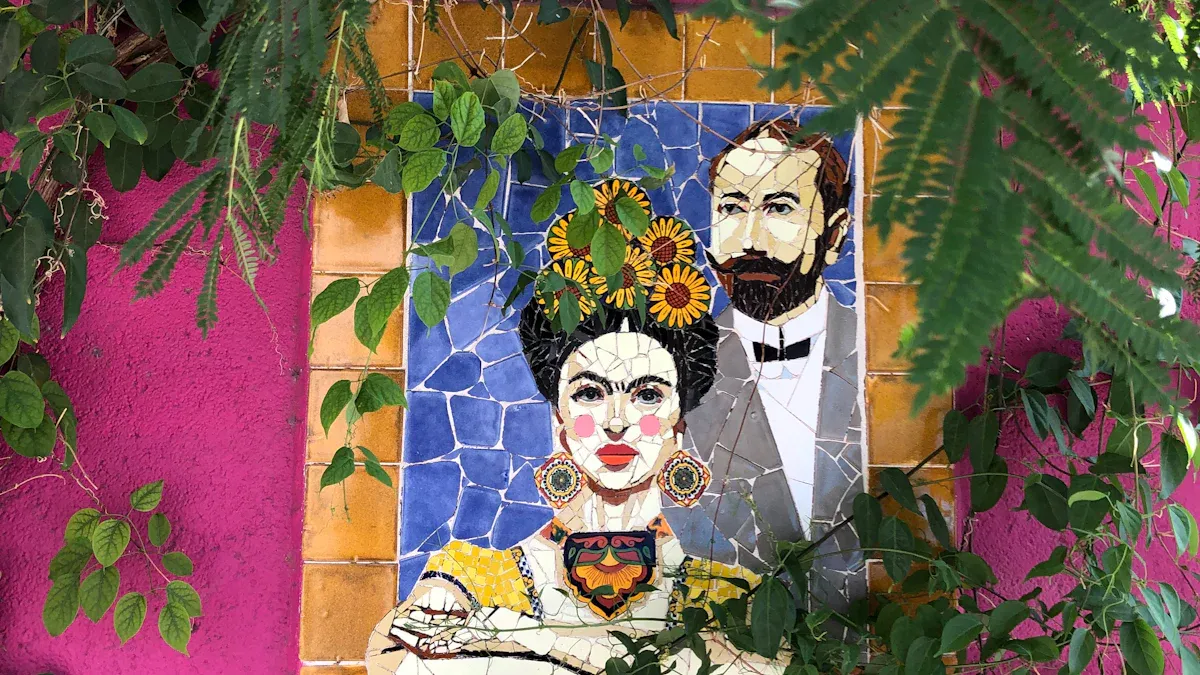
You can see monkeys in many paintings by Frida Kahlo. In Mexican folklore, monkeys often stand for lust. Frida changed this meaning in her art. She showed monkeys as gentle and protective. You notice that these animals look after her in her paintings. Frida used monkeys to show care and tenderness. You learn about her feelings when you look at her pet monkeys. They help you understand her story.
Monkeys in Kahlo’s art do not just follow old stories. They become symbols of love and comfort.
Frida had pet monkeys named Fulang Chang and Caimito de Guayabal. You see them in her garden and her paintings. These monkeys were close to her. She treated them like family. When you look at her art, you find Fulang Chang and Caimito de Guayabal sitting beside her. They show her need for friendship and support. Frida’s monkeys helped her feel less alone. You notice how she paints them with soft eyes and gentle hands.
Frida Kahlo’s monkeys appear in several self-portraits. You can find them in "Self-Portrait with Monkeys" from 1943. Monkeys in this painting stand for her wish to be a mother and her link to old Mexican culture. You see how she uses monkeys to share her feelings about motherhood and loss. Art critics say that monkeys in her self-portraits show her deep emotions. They connect to themes of fertility and health. Frida surrounds herself with monkeys, vines, and flowers. You see her struggle and hope in these images.
| Self-Portrait Title | Year | Significance of Monkeys |
|---|---|---|
| Self-portrait with monkeys | 1943 | Represents unfulfilled desire for motherhood and connection to pre-Columbian culture. |
You notice that monkeys in Kahlo’s art are more than animals. They become symbols of her life and dreams. When you look at her paintings, you see how monkeys help tell her story.
Frida Kahlo painted Xoloitzcuintli dogs many times. These dogs are important in Mexican culture. People think they help souls travel to the underworld. They also protect people. The name Xoloitzcuintli comes from the Nahuatl language. It is linked to the god Xólotl, who stands for death and change. Frida loved her Xoloitzcuintli dogs very much. She showed her love for animals in her art. You can see these dogs in her paintings, like "The Love Embrace of the Universe." Señor Xolotl is in that painting. The dogs stand for loyalty, friendship, and the afterlife. Frida and Diego Rivera helped save this dog breed. They wanted to honor their Mexican roots.
Xoloitzcuintli dogs are spirit guides in Mesoamerican stories.
The breed is tied to the god Xólotl and change.
Frida’s art uses these dogs to show pain and pride.
The dogs mean loyalty and protection.
Frida painted deer in some of her works. One famous painting is "The Wounded Deer." She used the deer to show her pain and weakness. The deer has Frida’s face and arrows in its body. This painting tells about her hurt feelings and body. Experts say the deer means sacrifice in Mexican culture. The antlers show new life and how easy it is to get hurt. Frida links her pain to who she is and what she believes. The deer in her art shows both her strength and her weakness.
"Frida Kahlo’s deer, especially in 'The Wounded Deer,' is a strong symbol of her pain and who she is. Experts see this painting as showing her suffering, her gender, and her culture."
The deer shows Kahlo’s pain and weakness.
Arrows show her struggles.
The deer is a sacrifice in Mexican stories.
Antlers mean new life and being fragile.
Birds make Frida’s art bright and full of meaning. You see hummingbirds, parrots, and macaws in her paintings. The hummingbird stands for freedom and life. In "Self Portrait with Hummingbird and Thorn Necklace," the bird and thorns show hope and pain. The hummingbird also links to Aztec gods and luck in love. Birds fly free in her art, making you think of escape and dreams. Frida’s colorful birds show her love for nature and her wish to be free.
Hummingbirds mean freedom and hope.
The dead hummingbird brings luck in love.
Birds stand for escape and dreams in her art.
Parrots and macaws add color and energy to her paintings.
You find that Frida Kahlo’s animalitos bring strong feelings to her art. These creatures help you learn about her emotions and her culture. When you look at her paintings, you notice monkeys and deer. They stand for protection and being open to hurt. Kahlo mixes bright colors and Mexican folk tales with her own symbols.
Monkeys and deer show strong emotions.
Self-portraits use animals to tell her story.
When you look at Kahlo’s art again, look for the animals. They help you see what she wanted to share and remember.
You find monkeys, dogs, parrots, and a deer in Frida Kahlo’s home. She named her pets and cared for them deeply. These animals appear in her paintings and help you understand her feelings.
Animals show Frida’s emotions and her Mexican roots. You see them as symbols of protection, pain, and hope. Her pets help you learn about her life and her culture.
The deer stands for vulnerability and pain. You notice arrows in the deer’s body in “The Wounded Deer.” This image helps you understand Frida’s struggles and her strength.
Frida changes the meaning of monkeys. You see them as gentle and caring in her paintings. They become symbols of comfort and love, not just lust.
The Xoloitzcuintli dog shows loyalty and Mexican pride. You find this dog in her paintings as a protector and a guide. It connects you to ancient stories and Frida’s heritage.
Frida Kahlo, an iconic figure in modern art, is renowned for her deeply personal and emotive paintings that often reflect her experiences, emotions, and identity. Among the myriad themes she explored, animals hold a significant place in her body of work. This article delves into the specific animals Kahlo painted, analyzing the symbolism and importance of these creatures in her art. By examining her use of animals, we gain deeper insights into her psyche and the cultural context of her work, contributing valuable perspectives to the field of Animal Painting.
Frida Kahlo had a profound connection with animals, often surrounding herself with a variety of pets at her home, La Casa Azul, in Coyoacán, Mexico. Her menagerie included monkeys, dogs, birds, and even a deer. These animals were not merely pets but extensions of her inner world, companions in her solitude, and symbols in her artwork. The presence of animals in her paintings serves as a conduit for expressing complex emotions and themes such as fertility, pain, and resilience.
Monkeys are among the most recurrent animal figures in Kahlo's paintings. In works like "Self-Portrait with Monkey" (1938) and "Self-Portrait with Small Monkey" (1945), the monkey often appears perched on her shoulder or entwined around her body. Traditionally, monkeys in Mexican mythology symbolize lust; however, Kahlo reinterpreted them as symbols of the children she could not have due to her traumatic injuries and subsequent infertility. The monkeys exhibit both protective and possessive qualities, reflecting her desires and inner conflicts.
In her painting "The Wounded Deer" (1946), Kahlo portrays herself as a stag pierced by arrows, wandering through a desolate forest. The deer symbolizes strength and vulnerability, representing Kahlo's physical pain and emotional suffering. This powerful image combines elements of personal mythology and cultural symbolism, blending her identity with that of an animal known for both grace and fragility.
Birds, particularly parrots, appear in several of Kahlo's paintings, such as "Me and My Parrots" (1941). The vibrant birds symbolize freedom, color, and the exotic, reflecting Kahlo's own vivacious spirit and her connection to Mexican culture. The parrots also serve as companions, filling the void of isolation that pervaded much of her life due to illness and personal turmoil.
Kahlo included Xoloitzcuintli, the indigenous Mexican hairless dog, in paintings like "Itzcuintli Dog with Me" (1938). These dogs hold significant cultural importance as guardians and guides to the underworld in Aztec mythology. By incorporating them into her art, Kahlo connects with her ancestral roots and explores themes of life, death, and the spiritual journey.
The animals in Kahlo's paintings are rich with symbolic meaning, often reflecting her personal narrative and the broader cultural context. They act as alter egos, surrogates for children, and representations of her pain and desires. The use of animals enables Kahlo to communicate complex emotions indirectly, adding layers of meaning to her self-portraits and other works.
From a psychological perspective, the depiction of animals can be seen as a manifestation of Kahlo's subconscious mind. The animals often embody aspects of her identity that are difficult to express otherwise. For instance, the monkeys represent both her nurturing instincts and the chaotic elements of her life. This aligns with concepts in psychoanalytic theory where animals in art symbolize inner drives and conflicts.
Kahlo's incorporation of animals also reflects her deep engagement with Mexican identity and politics. By featuring indigenous animals like the Xoloitzcuintli, she asserts cultural pride and connects with pre-Columbian traditions. This aspect of her work contributes to discussions on nationalism and cultural revival in post-revolutionary Mexico, highlighting the political dimension of Animal Painting in her oeuvre.
Frida Kahlo's unique approach to integrating animals into her art has had a lasting impact on the genre of Animal Painting and modern art as a whole. Her work challenges traditional representations of animals, infusing them with personal and cultural significance.
Contemporary artists often draw inspiration from Kahlo's symbolic use of animals. Her paintings encourage artists to explore personal narratives and cultural identities through animal imagery. This has led to a diverse range of works that continue to push the boundaries of how animals are represented in art.
Scholars have extensively analyzed Kahlo's animal paintings, contributing to academic discourse on topics such as symbolism, gender studies, and postcolonial theory. Her work serves as a rich case study for examining the intersections between personal experience and broader societal themes.
Frida Kahlo's paintings of animals are integral to understanding her artistic legacy. The creatures she depicted are more than mere subjects; they are profound symbols that convey her deepest emotions, cultural heritage, and philosophical musings. Through her innovative use of animal imagery, Kahlo has enriched the genre of Animal Painting, leaving an indelible mark on the art world. Her work invites ongoing exploration and interpretation, offering valuable insights for artists, scholars, and enthusiasts alike.


