Tel / WhatsApp: +852-70974333 E-mail: andy@pursueartlife.com

- All
- Product Name
- Product Keyword
- Product Model
- Product Summary
- Product Description
- Multi Field Search
Please Choose Your Language
Views: 0 Author: Site Editor Publish Time: 2026-03-23 Origin: Site
Plenty of shoppers recognize the phrase oil painting, yet Oil on Canvas often appears as a separate product description for a reason. At artzycanvas, customers regularly notice that this wording sounds more specific, more finished, and somehow more premium, even before they compare styles or subjects. That reaction makes sense. Oil on canvas is not just a technical label. It points to a real combination of material, texture, and visual depth that changes how wall art looks in a room and how satisfying it feels over time.
The phrase combines two essential parts of the artwork. Oil refers to the paint medium, which is known for rich color, soft blending, and layered depth. Canvas refers to the fabric surface that carries the painting. When these two elements come together, they shape not only how the artwork is made, but also how it looks once it is displayed.
That combination matters because the painting is not just an image. It is a painted surface with structure. The weave of the canvas supports the paint differently than paper, board, or flat printed material would. The oil paint sits on that surface with more body, creating a result that feels more substantial and more decorative in everyday use.
For artists, oil on canvas describes a traditional medium and surface pairing. For buyers, it means something more practical. It signals that the artwork is likely to have better depth, stronger texture, and a more refined wall presence than flatter alternatives.
This is why people search the phrase directly. They are not always looking for a lesson in painting methods. They are trying to understand what kind of artwork will make a room feel richer, warmer, and more intentional. Oil on canvas answers that need because it relates directly to how the piece behaves in light, how it holds color, and how it contributes to interior atmosphere.
Canvas has a woven character that naturally affects the finished look of a painting. Even when the painting style is smooth, the surface still gives the work a faint structural texture that helps it feel more alive than a perfectly flat material. In more expressive pieces, the canvas works together with visible brushwork to create a layered appearance that makes the painting feel more dimensional.
This matters in decorative settings because wall art is rarely viewed from one single angle. People pass by it, sit across from it, and see it under changing light. A canvas surface adds a subtle complexity that helps the artwork keep its interest in daily life.
Oil paint is valued for its ability to build color gradually. It can create soft transitions, richer shadows, and fuller highlights than many flatter decorative formats. On canvas, that richness becomes even more convincing. The surface gives the paint something to hold onto visually, so the artwork feels deeper and more complete.
That is one reason oil on canvas tends to look more premium in person than it may appear on a screen. Online, many artworks seem similar. On the wall, however, the difference becomes easier to feel. Oil paint on canvas has more visual body. It can make a simple subject feel elevated and a bold subject feel more impressive.
Some buyers hear the phrase oil on canvas and assume it belongs only to traditional interiors. In reality, it fits modern design extremely well. The material itself is classic, but the subjects can be completely contemporary. Abstract compositions, floral portraits, expressive figures, and large-scale color fields all benefit from the richness of oil on canvas.
That balance is part of its appeal. The artwork feels grounded and established because of the material, yet fresh and current because of the design. This makes it useful in modern homes, offices, hotels, showrooms, lounges, and gallery-style spaces.
At artzycanvas, this range is easy to see across different styles. A sunflower-inspired piece feels vivid and familiar. A blue-and-white abstract feels calm and architectural. A floral female painting feels elegant and expressive. Each subject changes the mood, but the material helps all of them feel more finished.
Another strength of oil on canvas is versatility. Bold abstract works gain more energy from visible paint movement and layered color. Softer subjects such as floral scenes or feminine portrait compositions gain more depth and refinement. Nature and animal landscapes also benefit because oil paint can build atmosphere without making the scene feel overly sharp or artificial.
This range matters for customers because different rooms need different emotional effects. A hotel lounge may need scale and drama. A bedroom may need softness. An office may need calm visual structure. Oil on canvas can support all of these needs without losing its decorative quality.
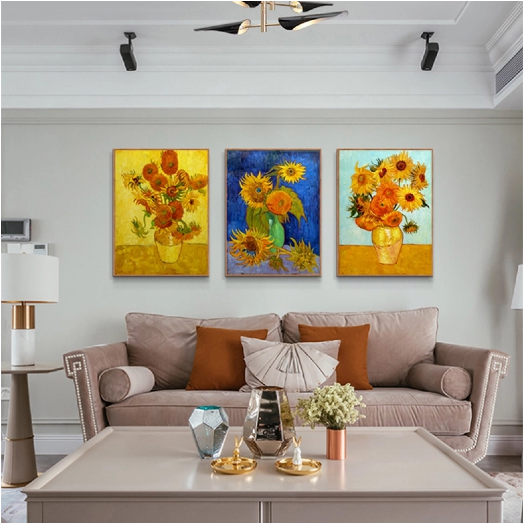
Most customers respond first to the color. Oil paint usually has a fuller, richer appearance than flatter wall art formats. Even a limited palette can feel sophisticated because there are often multiple tones within each main color area. White may shift warm or cool. Blue may move from soft haze to deeper saturation. Red may carry darker undertones that make it feel more grounded.
This visible layering is one reason oil on canvas feels more substantial. The colors do not look like they are simply sitting on the surface. They feel built, which adds visual value.
The second thing customers often notice is how the artwork changes under different lighting conditions. Daylight, side lighting, and warm interior lighting can each reveal something slightly different. Texture becomes more apparent. Certain color areas deepen. Highlights come forward.
That change gives the piece more life in the room. It also helps explain why oil on canvas can continue to feel satisfying long after installation. The work does not stay visually static. It continues to respond to its environment.
Some walls need more than an image. They need material presence. This is where oil on canvas has a clear advantage. Compared with posters, basic prints, or very flat decorative pieces, it adds warmth and a sense of craftsmanship. The room feels less empty and less generic because the wall art has more physical character.
This is especially useful in living rooms, hospitality interiors, reception spaces, and other areas where atmosphere matters. The artwork does more than decorate. It helps shape the overall feeling of the space.
Oil on canvas is also a better option when the goal is to create a polished interior impression. It tends to feel more complete and more intentional than simpler wall art formats. That makes it well suited to homes, hotels, offices, gifts, and project-based interiors where people want art that looks considered rather than temporary.
This does not mean every room needs a dramatic statement piece. Even quieter compositions can benefit from the richer surface and stronger finish that oil on canvas provides.
Before ordering, buyers should pay attention to more than just the image. Canvas quality matters because it affects how the work will look and feel over time. A stronger canvas gives better structure. A better paint finish creates more satisfying color and surface behavior. Size options matter too, because scale has a major impact on how the painting will function in the room.
At artzycanvas, many customers are not only choosing a subject. They are choosing the right wall effect. That is why material quality and sizing are such important parts of the decision.
Presentation format is another practical point. Some buyers want a ready-to-hang piece. Others prefer rolled or unstretched delivery for easier shipping or local framing. Understanding these options helps customers choose the version that best fits their project, budget, and installation plan.
This is especially helpful for larger decorative works. A big abstract, a sunflower painting, or a landscape piece may be visually ideal for the wall, but delivery format still affects convenience and final presentation.
Format | Surface Feel | Depth | Best Interior Use | Buyer Impression |
Oil on Canvas | Textured, layered, rich | Strong | Homes, hotels, offices, lounges | Premium and finished |
Canvas Print | Soft but flatter | Moderate | General décor | Clean and practical |
Poster Print | Flat and light | Low | Casual spaces | Simple and temporary |
Framed Paper Art | Smooth and neat | Moderate | Small rooms, study areas | Polished but less tactile |
Oil on canvas still matters because it changes more than the label on a product page. It affects texture, color depth, light response, and the overall way artwork lives in a space. At artzycanvas, that material difference is part of what helps abstract paintings, floral pieces, landscapes, and expressive subjects feel more complete in homes and commercial interiors alike. When buyers want wall décor with greater richness and a more lasting decorative effect, painted canvas art remains one of the strongest choices. Contact us to explore hand-painted oil on canvas options for your project, room, or collection.
Because oil on canvas describes both the paint medium and the surface, which gives buyers a clearer idea of the artwork’s texture, depth, and decorative quality.
In many interiors, yes. Oil on canvas usually looks richer and more dimensional because it has visible material depth rather than only a flat image surface.
Abstract works, sunflower paintings, animal landscapes, floral themes, and figure-based compositions all work well because oil on canvas supports both bold and subtle visual effects.
Yes. artzycanvas offers hand-painted oil on canvas artwork in different sizes and presentation formats to suit homes, offices, hotels, and commercial interiors.