Tel / WhatsApp: +852-70974333 E-mail: andy@pursueartlife.com

- All
- Product Name
- Product Keyword
- Product Model
- Product Summary
- Product Description
- Multi Field Search
Please Choose Your Language
Views: 0 Author: Site Editor Publish Time: 2026-05-27 Origin: Site
You can begin oil painting on canvas by following a few easy steps. First, get your materials. Next, get your canvas ready. Then, think about what you want to paint. Now, you can start painting. Many people feel worried at first, but you can get past problems like slow drying, using your brush well, and making the paint just right.
Try to make neat brushstrokes.
Pick the best mediums to help paint dry.
Paint in layers and keep your area tidy.
Oil painting gives you good results if you are patient and creative. Oil painting lets you blend colors and make textures better than acrylics or watercolors, but it takes time to get good at it.
Medium | Accessibility for Beginners | Key Characteristics |
|---|---|---|
Oil Painting | Harder to learn | Dries slowly, you need to know things like 'fat over lean'. |
Acrylics | Easier for beginners | Dries fast, mixes with water, good for quick work. |
Watercolors | Not as thick | Looks see-through and watery, does not blend as well as oils. |
Let your first painting be about learning and having fun.
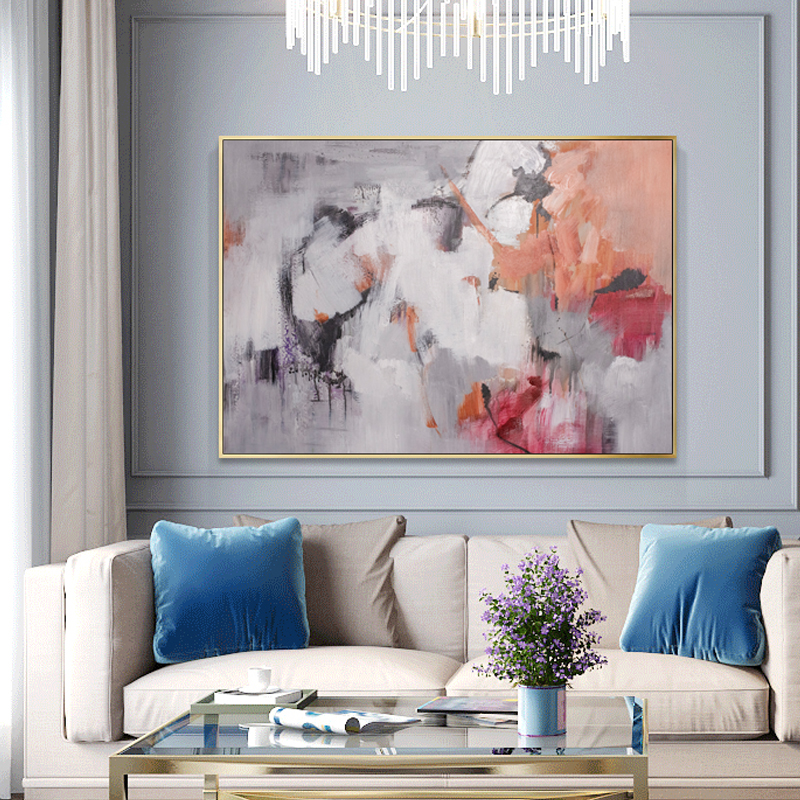
You need the right tools before you start painting. Set up your space so you can work easily. Artzycanvas shows beginners how good canvas art can look. When you see art like Custom Large Red Abstract Textured Canvas Art, you notice how good materials and color matter. You can make bright colors and cool textures if you follow these steps.
Here’s what you need to begin:
Oil paints (student-grade works well for new painters)
A palette for mixing colors
Paint brushes (get a set of synthetic brushes)
A #2 bristle brush for bigger areas
Palette knife for mixing and spreading color
Pre-primed canvas or canvas boards
Easel (optional, but it helps)
Gamsol or odorless mineral spirits for cleaning
Rags or paper towels
Nitrile gloves
Item | Description/Brand |
|---|---|
Canvases | Windsor and Newton, Belle Arti |
Oil Paints | Winton, Georgian, Winsor & Newton |
Brushes | Rosemary and Co, Winsor & Newton |
Solvent | Sansodor, Gamsol |
Choose a spot with bright light. A 50-watt, 5000k daylight bulb helps you see colors. Put your easel away from the wall so colors look right. Museums use lights with a color temperature of 2700k–3000k and high CRI to show colors best. Keep your palette and brushes close so you can mix colors fast.
Oil paints and solvents can be messy. Open a window or use a fan for fresh air. Wear gloves to keep your hands safe. Wipe extra paint from brushes with a rag. Clean brushes with Gamsol or safflower oil. Wash brushes with soap and water after you finish painting. Put oily rags in a safety can or soak them in water before throwing them away. Never pour paint or solvent down the drain. Let leftover color dry before you throw it out. This keeps your space safe and helps the environment.
Tip: Look at professional art like Artzycanvas to see how artists use color and texture. Try to see how different colors make a painting feel lively and full of movement.
You want your oil painting on canvas to last a long time and look its best. Start by making sure your canvas is primed. Most store-bought canvases come with acrylic gesso, which is perfect for oil painting. If you want to add a special touch, you can stain your canvas before you begin.
Here’s a simple way to prepare and stain your canvas:
Squeeze a small amount of raw umber or another earth tone onto your palette.
Use a cloth dipped in odorless solvent to spread the paint across the canvas. Cover the whole surface with a thin, even layer.
Wipe away any extra paint so the layer dries quickly. You want the canvas to look toned, not muddy.
If you like, use the cloth to make light marks or shapes. This helps you start thinking about your composition.
This first layer is called an imprimatura. It gives your painting a warm base and helps you see values better. Some artists use a bright color for the imprimatura to make the next layers pop. You can also use the wipe-out technique—after toning, use a rag to lift out highlights and sketch basic shapes.
Proper canvas preparation matters. Studies show that the right preparation can make your painting more flexible and less likely to crack or get damaged by humidity. So, take your time with this step.
Tip: If you want your painting to have a smooth look, make sure the stain is even. If you want more texture, let some brush marks show.
Before you start painting, plan what you want to show. Good planning makes your oil painting on canvas stronger and more interesting. You can use several techniques to sketch your ideas.
Technique | Description |
|---|---|
Underpainting | Paint a simple, single-color layer to map out light and dark areas. This helps you see the big shapes. |
Imprimatura | Use a thin, colored wash over the whole canvas. This unifies your painting and helps with color harmony. |
Blocking In | Paint large shapes and colors first. This lets you see the main parts of your painting early. |
Colored Grounds | Start with a colored background to add depth and stop the white canvas from shining through. |
You can sketch your design with charcoal, a pencil, or even a thin brush and paint. Try using a grid or tracing if you want more accuracy. Some artists use the wipe-out method to lift out highlights after staining the canvas.
Think about the elements and principles of design as you plan:
Lines, shapes, color, value, and texture
Balance, contrast, movement, and unity
“Composition brings together everything…it unifies beat, rhythm and rhyme in a poem; timbre, melody, harmony, tempo and dynamics in a symphony, and subject, mood, light and moment in a photograph (or painting) – and somehow makes them greater in whole than the sum of their parts. Composition creates a synergy which elevates art above mere expression, it can transform even the vulgar into the sublime.”
You can use tricks like the rule of thirds or dynamic symmetry to make your painting more exciting. Look at works like Artzycanvas’s Custom Large Red Abstract Textured Canvas Art. Notice how the artist uses bold shapes and movement to guide your eye across the canvas.
Now you’re ready to paint! Start with thin layers and build up slowly. This is where oil painting techniques really shine. You can blend, layer, and create amazing effects.
Here are some basic painting techniques to try:
Technique | Description |
|---|---|
Glazing | Paint thin, see-through layers to create glowing colors and soft effects. |
Impasto | Use thick paint and bold brushstrokes for texture you can see and touch. |
Wet Blending | Mix colors right on the canvas while the paint is still wet for smooth transitions. |
Fat over Lean | Each new layer should have more oil than the last. This keeps your painting strong and flexible. |
When you start, use a lean mix—paint thinned with solvent. As you add more layers, use less solvent and more oil or medium. This is called “fat over lean.” It helps your painting dry evenly and stops cracking later.
Lean layers dry fast and are less flexible.
Fat layers dry slow and stay flexible.
Always put fat layers on top of lean ones.
Try mixing your colors on the palette before you put them on the canvas. You can also blend colors right on the canvas for soft edges. If you want bold texture, use a palette knife or a stiff brush for impasto. Look at textured works like those from Artzycanvas. See how thick paint and layered colors create depth and movement? You can do this too!
Everyone makes mistakes when they start oil painting on canvas. The good news is, you can avoid most of them if you know what to watch for.
Don’t skip priming your canvas. Always use gesso or a primed canvas so your paint sticks and lasts.
Remember the fat over lean rule. If you put thin paint on top of thick, it can crack.
Don’t use too much solvent. Too much can make your colors weak and cause uneven drying.
Let your painting dry naturally. Don’t rush it with heat or drying agents.
Never mix oil paints with acrylics on the same layer. Oil paint goes on top if you use both.
Keep your brushes and palette clean. Dirty tools make muddy colors.
Always paint in a space with good airflow. Solvents can have strong fumes.
Don’t leave brushes soaking in solvent. Clean them after each session to keep them in good shape.
If you notice a problem, stop and look at your painting. Check your drawing, values, and colors. Use a grid or compare your painting to a photo. Try looking at your painting in black and white to spot value issues.
Note: Textured and layered paintings, like those by Artzycanvas, show how depth and movement can make your work stand out. Try using thick paint in some areas and thin glazes in others to create a sense of space and energy.
Oil painting on canvas is all about patience and practice. Try new techniques, experiment with mixing, and don’t be afraid to make changes. Every painting teaches you something new!
You can start as a beginner by following these steps:
Make your first strokes.
Stain your canvas.
Mark key points.
Draw shapes and lines.
Choose your next move.
Try new oil painting tips and enjoy the process.
Painting helps you relax and grow.
Looking at professional art inspires your own style.
Oil paint usually dries in 2–7 days. Thicker paint takes longer. You can touch the surface gently to check if it feels dry.
Yes, you can. Acrylic paint dries fast and works as a base layer. Always put oil paint on top, never the other way around.
Don’t worry! You can wipe off wet paint with a rag or palette knife. Let it dry, then paint over the area with fresh color.