Tel / WhatsApp: +852-70974333 E-mail: andy@pursueartlife.com

- All
- Product Name
- Product Keyword
- Product Model
- Product Summary
- Product Description
- Multi Field Search
Please Choose Your Language
Views: 0 Author: Site Editor Publish Time: 2026-05-21 Origin: Site
Selecting lobby and reception art goes far beyond basic decoration. It represents a highly strategic architectural and branding decision. When guests walk through your doors, their eyes naturally seek out a visual focal point. High-traffic commercial spaces demand striking visual anchors. They must communicate brand identity clearly and instantly. However, you cannot compromise on spatial flow, public safety, or long-term structural durability. Navigating these complex requirements challenges even the most experienced designers.
This article provides you a concrete evaluation framework. Procurement teams, interior designers, and facility managers will learn exactly how to source, specify, and install commercial-grade installations successfully. We guide you through everything from material selection and scaling to rigorous structural engineering requirements. By the end of this guide, you will confidently procure pieces blending artistic vision and commercial viability seamlessly.
Large-scale sculptural pieces establish an immediate psychological baseline for property valuation. When clients enter a corporate space, bare walls signal an unfinished environment. Conversely, a curated installation projects immense brand prestige instantly. Guests instinctively recognize high-quality craftsmanship. This subtle psychological framing elevates the perceived value of your services immediately. Investing in high-end installations creates a tangible aura of success.
Wall art recently transitioned from passive decor into an active marketing engine. Striking focal points encourage organic guest photography. Visitors love sharing unique environments online. Every shared photograph functions as a free advertisement for your property. By installing visually captivating commercial art decor, you generate continuous social media traction. This organic reach often delivers a higher return on investment than traditional print campaigns.
Abstract or custom-commissioned pieces communicate corporate values beautifully. A flowing metal installation suggests continuous innovation and fluidity. Biophilic elements highlight strict sustainability commitments. This strategic approach feels significantly more authentic than hanging generic framed prints. Viewers absorb your corporate identity intuitively through visual metaphors. The right artwork tells your brand story silently but effectively.
To successfully specify contemporary wall sculpture art, design teams need a rigorous evaluation method. Balancing aesthetics and spatial reality prevents costly procurement mistakes.
Designers must carefully avoid "spatial shrinking." This phenomenon occurs when small art gets visually lost inside a grand lobby. Conversely, "spatial crowding" ruins narrow corridors. You must calculate accurate viewing distance ratios. Industry standards suggest large pieces should occupy roughly sixty to seventy-five percent of the available blank wall space. Always measure sightlines from the main entrance.
Evaluate different metals based on your specific environmental needs. Hard surfaces like stainless steel and brass reflect sound waves aggressively. If your lobby suffers from echo issues, consider mixed media alternatives. Softer materials absorb ambient noise effectively. You must analyze the acoustic demands of your space before selecting any material.
Surface treatments interact directly and powerfully with lobby lighting. Mirror-polished finishes capture natural daylight brilliantly. They expand the perceived size of the room. Matte or brushed surfaces soften harsh evening LED lighting. Warm LEDs reflecting off brushed brass create an inviting glow. Always align your finish selection alongside your architectural lighting plan.
The artwork must align logically with your core business environment. Abstract modernism suits corporate headquarters perfectly. It projects sharp, forward-thinking energy. Organic, fluid designs work much better in hospitality environments. They promote relaxation and subconscious comfort. Mismatching themes creates visual friction for visitors.
| Evaluation Dimension | Primary Consideration | Common Pitfall to Avoid |
|---|---|---|
| Size & Proportionality | 60-75% wall coverage ratio | Spatial shrinking in grand lobbies |
| Materiality & Function | Acoustic impact and durability | Choosing highly reflective metals in echo-heavy rooms |
| Color & Finish | Interaction with ambient lighting | Placing mirror finishes under harsh, direct spotlights |
| Thematic Cohesion | Alignment with brand values | Using generic art in highly specialized spaces |
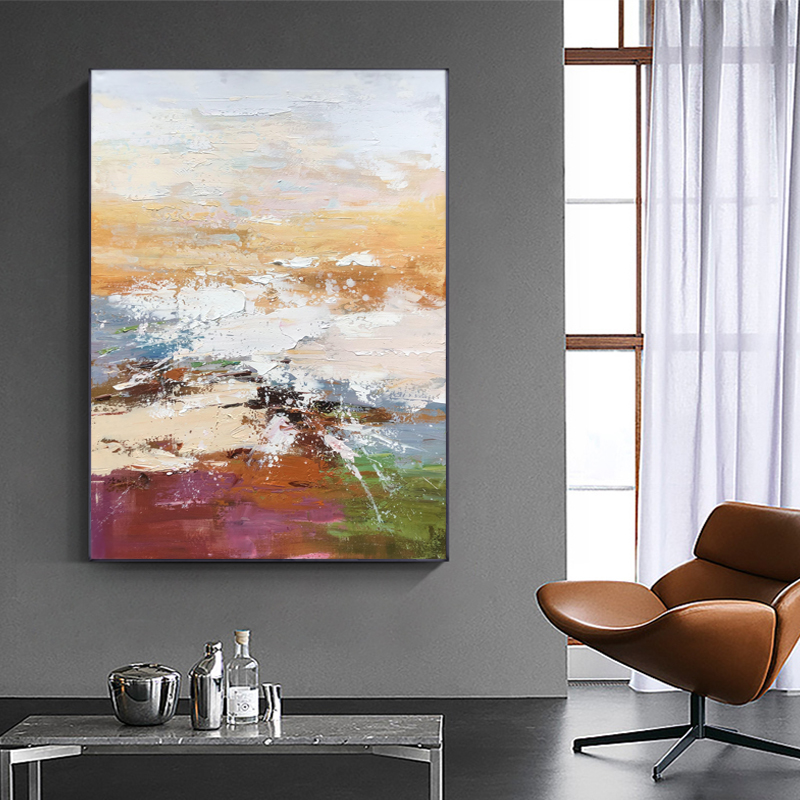
Selecting the ideal medium for 3D wall art guarantees both visual impact and long-term durability.
Mirror-polished stainless steel stands as the absolute gold standard for modern hotel wall art. Coastal properties often require 316-grade steel. It contains molybdenum, preventing salt-air corrosion completely. Inland spaces can safely utilize 304-grade steel. These polished surfaces capture ambient light brilliantly. As guests walk past, the reflections shift continuously. This interaction creates a mesmerizing sense of kinetic movement.
Varying depth adds incredible warmth to sterile rooms. wall sculpture decor featuring deep relief patterns serves a highly functional dual purpose. It looks visually sophisticated while providing subtle acoustic dampening. Sound waves break apart upon hitting the uneven textures. Executive lounges, libraries, and boardrooms benefit greatly from this passive noise reduction.
Environments prioritizing wellness demand natural elements. Integrating preserved moss alongside sleek metals creates a striking visual contrast. Natural woods also warm up corporate spaces significantly. This mixed-media approach heavily reinforces eco-conscious branding initiatives. Moss requires zero watering or sunlight, making it highly practical for busy commercial facilities.
You can seamlessly blend corporate logos into an office wall sculpture. The goal is avoiding the appearance of standard commercial signage. Artists frequently use negative space cutouts to form logos organically. You can also match metal finishes perfectly to blend the logo into the broader design. Shadow-casting offers another excellent technique, projecting your brand subtly against the backing wall.
Commercial buyers cannot focus solely on aesthetics. Rigorous engineering dictates the ultimate success of the installation.
B2B buyers must require structural stability calculations upfront. Always ask for weight-load documentation before authorizing procurement. You need absolute certainty regarding wall support. Solid metal casts weigh hundreds of pounds. Hollow-cast pieces reduce weight significantly. Either way, consult your structural engineer to verify backing plates.
High-traffic spaces see constant human interaction. Touch-heavy environments demand strict safety protocols. Edge passivation remains mandatory for all metal installations. Manufacturers must machine away sharp burrs entirely. Smooth, radiused edges prevent accidental cuts completely. Never skip this specification during the procurement process.
You want to maintain the illusion of floating art safely. Evaluate hidden mounting systems rigorously. Cleat systems distribute weight evenly across multiple wall studs. Anti-theft locking fixtures protect your investment thoroughly. They ensure pieces remain securely attached in public spaces without compromising the sleek visual design.
Complex projects require multiple stakeholder sign-offs. Partner exclusively with vendors supplying exact CAD schematics. A structured approval process prevents costly installation delays.
Proper daily care preserves the original luster of your artistic assets for decades. Developing clear protocols prevents accidental damage caused by improper cleaning.
Different materials require highly specific cleaning protocols. For stainless steel, train your staff to use microfiber cloths exclusively. Spray a mixture of distilled water and isopropyl alcohol. This specific combination cuts finger oils instantly. It also prevents hard water spots entirely. Never let custodial staff use harsh chemical abrasives or bleach on artistic metal surfaces.
Commercial spaces possess dynamic micro-environments. Address HVAC airflow directly. Constant drafts accumulate dust quickly inside deep relief carvings. Humidity variations in hotel lobbies affect certain patina finishes negatively. UV exposure near large glass facades demands extra attention to prevent subtle color fading.
Plan ahead for deep seasonal maintenance. Apply protective clear coats periodically. Use UV-resistant waxes on painted finishes every six months. For high-polish metals, schedule professional re-polishing every few years. This specialized service restores the asset's pristine condition completely, erasing micro-scratches accumulated over time.
Sourcing commercial art requires a disciplined operational approach. Follow these steps to ensure flawless execution.
Define the exact purpose of the artwork immediately. Are you creating a dramatic reception backdrop? Is it a subtle elevator corridor accent? Clear intentions guide the entire design process.
Never guess how a piece will look in reality. Validate scale and light interaction via digital renders first. Reputable vendors superimpose their 3D models directly onto photos of your lobby. Do this before committing any funds to manufacturing.
Hotel chains and corporate franchises need strict consistency. Evaluate your vendor’s true capacity for standardized series production. Ask about standardized CNC files. Master molds guarantee exact visual replication across multiple properties. This approach maintains strict quality control globally.
Large-scale pieces demand "white-glove" handling unconditionally. Secure wooden crating prevents transit damage entirely. On-site handling requires heavily trained professionals. Precise leveling ensures perfect presentation upon unveiling. Treat professional installation as a completely non-negotiable line item in your procurement budget.
Sourcing contemporary wall sculptures represents a major structural investment. It requires a delicate balance of artistic vision and rigorous engineering. Do not treat it as a subjective, last-minute decoration. These installations function as powerful branding tools and psychological anchors for your guests.
Audit your current architectural blueprints today. Define your installation environment clearly, focusing heavily on lighting plans and wall load capacity. Finally, reach out to specialized vendors and request 3D mockups. By demanding CAD specifications upfront, you guarantee a safe, stunning, and highly impactful commercial installation.
A: Commercial-grade metal sculptures vary significantly in weight. Hollow-cast or sheet metals reduce overall poundage considerably. However, commercial drywall usually requires backing plates. In many cases, you must use stud-mounting hardware. Always consult a structural engineer and review the manufacturer's weight-load documentation before proceeding with installation.
A: Yes, absolutely. Vendors frequently customize pieces for large hospitality franchises. They create a master mold or develop a standardized CNC file. This process ensures exact visual replication across dozens of properties. It maintains strict quality control while enabling efficient scalability for your corporate rollout.
A: Polished stainless steel offers incredible durability. High-grade 304 or 316 stainless steel easily lasts for decades. You will not see any significant degradation. The key lies in proper, non-abrasive routine cleaning. Using microfiber cloths and distilled water preserves the mirror finish perfectly in high-traffic environments.
A: You can integrate corporate branding without looking like a standard sign. Artists use negative space cutouts to form logos organically. You can also match metal finishes to blend the logo into the broader design. Shadow-casting offers another excellent technique, projecting your brand subtly onto the wall.